The Real Reasons Your Home Service Ads Are Not Working, and How to Turn Them Around
9 Min Read

Table of Contents
- 01Why do home service ads fail more often than other industries?
- 02What are the most common reasons your home service ads are not working?
- 03Warning signs your ad account needs attention
- 04How do you set up conversion tracking that actually works?
- 05How should you budget, and when should you get help?
- 06Where to start
- 07Frequently Asked Questions
- 08Citations and References
- 09About Lokal Media House
Home service ads usually fail for a short list of fixable reasons. Targeting that reaches the wrong homeowners, missing call tracking that hides which ads actually ring the phone, budgets pointed at the wrong services or hours, and landing pages that lose people before they call. Fix those four areas and most underperforming campaigns turn around. If you have poured money into Google Ads for your HVAC, plumbing, electrical, or roofing business, the phone barely rings, and the leads that do come in are the wrong fit, you are not stuck. You are looking at problems that have known fixes.
We have managed paid campaigns for home service companies for more than ten years, and the same handful of issues show up in account after account. Here is what tends to go wrong, and the practical steps to fix it.
Why do home service ads fail more often than other industries?
Home services play by different rules than ecommerce or national brands. You serve specific neighborhoods, not the whole country, and your customers need help today, not next month. A flooded basement at nine at night is a different buyer than someone researching a remodel.
That creates a tougher environment. You bid against large franchises, national lead resellers, and every other local contractor chasing the same searches, across zip codes that do not perform equally. Add the seasonality of HVAC and the emergency nature of plumbing and electrical calls, and a campaign built for a dentist will not hold up for a garage door company.
What are the most common reasons your home service ads are not working?
Before you change anything, you need to know what is actually broken. These four problems cause most of the wasted spend we see when we audit a home service account.
Your geographic targeting is too broad or too narrow
Many contractors set their radius on a guess. You might target fifty miles when your crews can only service twenty-five profitably, so you pay for clicks you cannot turn into good jobs. Or you target too tight and miss homeowners one town over who would gladly book you.
Start with your own data. Pull the past year of jobs, map where your highest value work came from, and point your spend there first. Drive time matters too. A job forty-five minutes out has to be worth a lot more than one fifteen minutes away to justify the windshield time, and your bids should reflect that.
You are bidding on the wrong keywords
Broad terms like “air conditioning” drain a budget fast. You end up paying for people researching how an AC works, shopping for window units, or sitting three states away. Home service advertising rewards tight keyword control and intent. Phrases like “AC repair near me,” “emergency plumber” plus your city, or “furnace not turning on” signal someone who needs help now.
A strong negative keyword list matters just as much. Adding terms like “DIY,” “how to,” “salary,” “jobs,” and “free” keeps your ads away from people who will never book. Google’s own guidance on building a negative keyword list is a good place to confirm how match types behave before you make changes.
Your conversion tracking is missing or broken
You cannot improve what you do not measure. Without proper tracking, you have no idea which campaigns, keywords, or ads create real phone calls and booked appointments. Plenty of contractors track form fills but miss calls entirely, and since most home service leads call rather than fill out a form, that means flying blind on more than half your conversions.
Call tracking fixes this by assigning unique numbers so you know which ad drove which call. It is worth going further than a simple count. With our Wave Analyzer tool, a human team listens to and scores every inbound call, so clients can see which campaigns produce real leads and where the front desk is dropping bookable calls. That is the difference between counting calls and understanding them.
Your landing pages are not built to convert
Sending paid traffic to your homepage is one of the most expensive mistakes you can make. A homepage serves many audiences at once, so it converts cold ad clicks poorly. A dedicated landing page strips away the distractions, matches the ad that brought the visitor in, speaks to their specific problem, and makes calling effortless.
Mobile speed is not optional here. A homeowner standing in a hot house or over a leaking water heater is on a phone, and if your page takes more than three seconds to load they will tap back and call your competitor. Put a tap to call number at the top, keep forms short, and show real trust signals like reviews, licensing, and photos of your actual team and trucks.
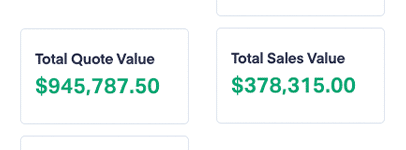
This is exactly where a Fort Myers, Florida roofing company turned things around with us. They wanted to scale into nearby cities, but their older site was not built to convert or to rank, so paid clicks were not becoming booked work. We rebuilt the site around conversion, then tightened the paid search campaign to buyer ready terms and kept optimizing it. The month after launch, their conversion rate nearly doubled. Over the campaign, thirty thousand dollars in search ad spend produced $378,315 in revenue, a return of 1,261%, detailed in the full roofing marketing case study. The targeting did not change the outcome on its own. The page that received the clicks did most of the heavy lifting.
Warning signs your ad account needs attention
A quick gut check before you dig in. If several of these sound familiar, your account has room to improve:
- You cannot say which campaign produced your last booked job
- Calls are not tracked, only form fills
- Your ads point to your homepage instead of a service specific page
- You have never built a negative keyword list
- Your budget runs at the same pace year round regardless of season
- Reports celebrate clicks and impressions, not leads and jobs
How do you set up conversion tracking that actually works?
Tracking is the foundation, so fix it first. Use dynamic number insertion to assign tracking numbers by source, and record call length, not just call counts. A three second call was a wrong number. A five minute call was likely a real booking. Import those calls into your ad platform so it optimizes toward conversations, not clicks.
Then close the loop. Connect your CRM or field management software so you can follow a lead from the first click through to a completed, paid job. That is where you learn your true cost per booked job, and you often find that a high volume campaign generates leads who rarely book while a quieter campaign brings in repeat customers.
How should you budget, and when should you get help?
Work backward to set your target. Start from your average job value, subtract your costs, and factor in how many leads you turn into jobs. Your cost per lead needs to sit well below the profit a job produces. From there, fund the services and seasons that deserve it. AC repair earns more budget in summer, heating in the fall and winter, and planning those shifts in advance keeps you from running dry during peak demand.
Spread your bets across channels rather than leaning on one. Google search, Google Local Services Ads, and Meta advertising reach different buyers, and a single algorithm change should never wipe out your lead flow. Local Services Ads are worth a close look for home services because, per Google, they charge per lead rather than per click and place verified businesses at the top of the results. Pairing paid ads with search engine optimization also lowers your blended cost per lead over time as organic rankings carry more of the load.
Handling ads in house can work if you have several hours a week to learn the platforms and optimize consistently. Bring in help when your spend is significant, your services are complex, or your time is better spent running the business. One honest filter when choosing a partner: the FTC requires advertising claims to be truthful and backed by evidence, so be wary of anyone promising guaranteed lead counts or leading with vanity metrics instead of booked jobs.

Where to start
Fix tracking first, since nothing else can be measured without it. Targeting changes usually bring the fastest wins, and landing pages the biggest payoff. Change one thing at a time and judge by cost per booked job, not clicks.
If that feels like a lot to manage alongside running your crews, our paid ad management team can audit your account, show you exactly where the money is going, and rebuild the campaigns around booked jobs instead of clicks. You can also see who we are and how we work before you reach out.
Frequently Asked Questions
This is almost always a landing page problem. The page may load too slowly, hide your phone number, fail to build trust, or fail to match what the ad promised. Test it on a phone and have someone unfamiliar with your business try to contact you.
It depends on your margins, competition, and growth goals, though many home service businesses invest somewhere between five and ten percent of revenue in marketing. Start with an amount you can run for at least ninety days so you gather enough data to optimize.
Google Search and Google Local Services Ads usually produce the highest intent leads because people there need help right away, while social platforms work better for staying top of mind. Most contractors should start with Google and expand once tracking is solid.
Common culprits are broad keywords, no negative keyword list, traffic sent to a homepage, and untracked calls that make your real cost per lead look worse than it is. Tightening targeting and fixing tracking usually brings it down quickly.
Simple fixes like pausing wasteful keywords or repairing tracking can show movement within days, while new landing pages or restructured campaigns generally need two to four weeks to produce meaningful data. Paid advertising rewards steady optimization, not a one time setup.
Citations and References
- Google Ads Help, About negative keywords: https://support.google.com/google-ads/answer/2453972
- Google Local Services Ads Help, Getting started with Local Services Ads: https://support.google.com/localservices/answer/6224841
- Federal Trade Commission, Advertising and Marketing business guidance: https://www.ftc.gov/business-guidance/advertising-marketing
- Lokal Media House, Roofing marketing case study: https://lmh.agency/case_studies/marketing-for-roofing-company/
About Lokal Media House
Lokal Media House is a home services marketing agency that has built and managed paid campaigns for contractors for more than ten years. We are a Top 5 Yelp Diamond Partner and a ServiceTitan Certified Marketer, and our work has earned recognition including a 2026 Web Excellence Award. Every claim in this article reflects real client results and verified sources.
Looking to Elevate Your Digital Marketing?
See How Our Expert Team Can Guide You!
Let’s Build Something AwesomeThe Wave Report
Your source for the latest in home-service marketing, creative design, and growth trends, powered by LMH.
How to Market an HVAC Company (Complete Guide)
Marketing an HVAC company comes down to doing the right things in the right order. Get the foundation right first, which means a complete Google...
How to Scale Marketing for Your Plumbing Business: A Step by Step Growth Plan
Step 1: Audit What Your Marketing Actually Produces Right Now You cannot scale a number you have never measured, and what gets measured gets managed....
Facebook Ads for HVAC Companies: What Actually Books Jobs, and When to Hire an Agency
Facebook ads work for HVAC companies. They just do not work the way most owners expect. This guide covers what actually books jobs on Facebook...